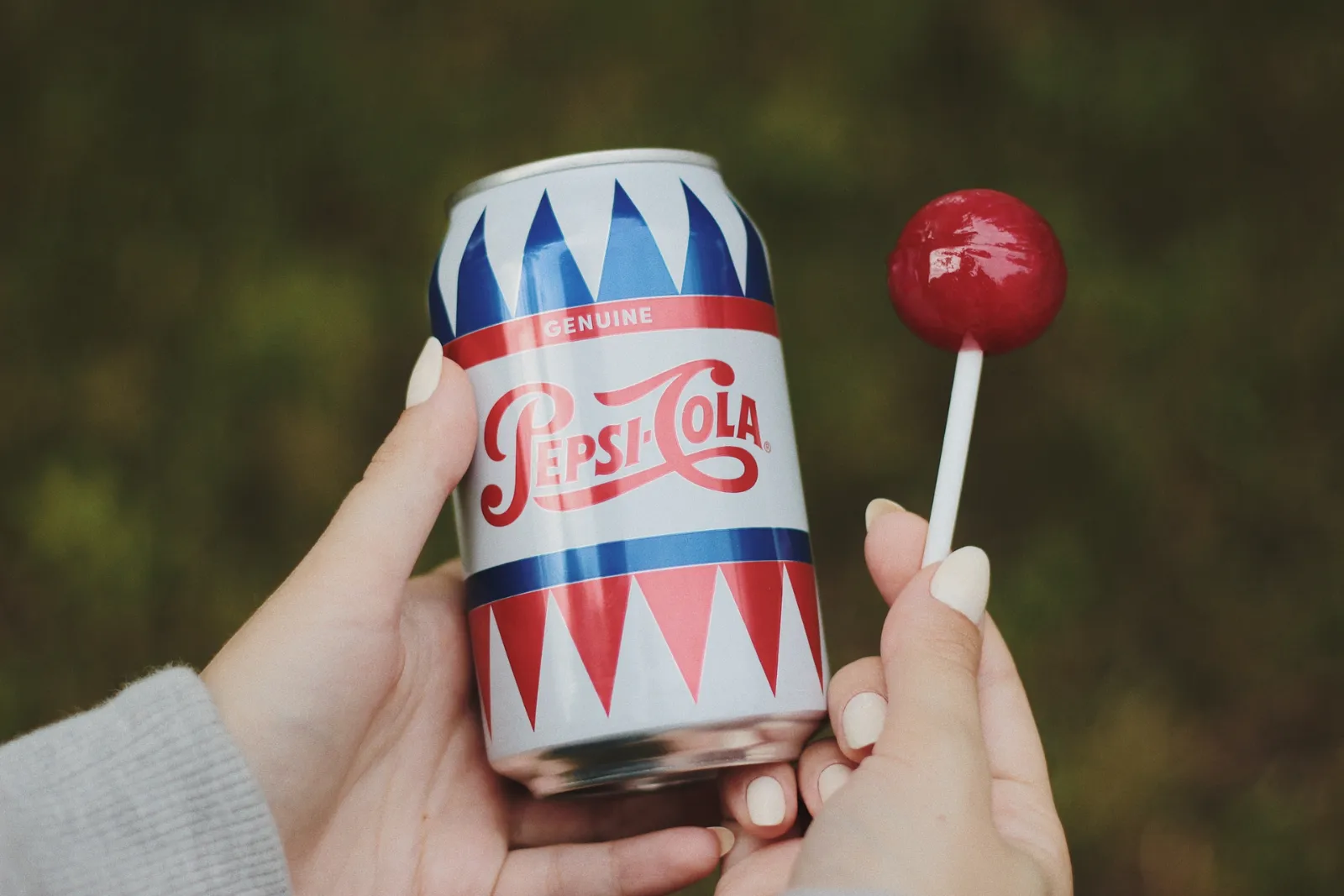
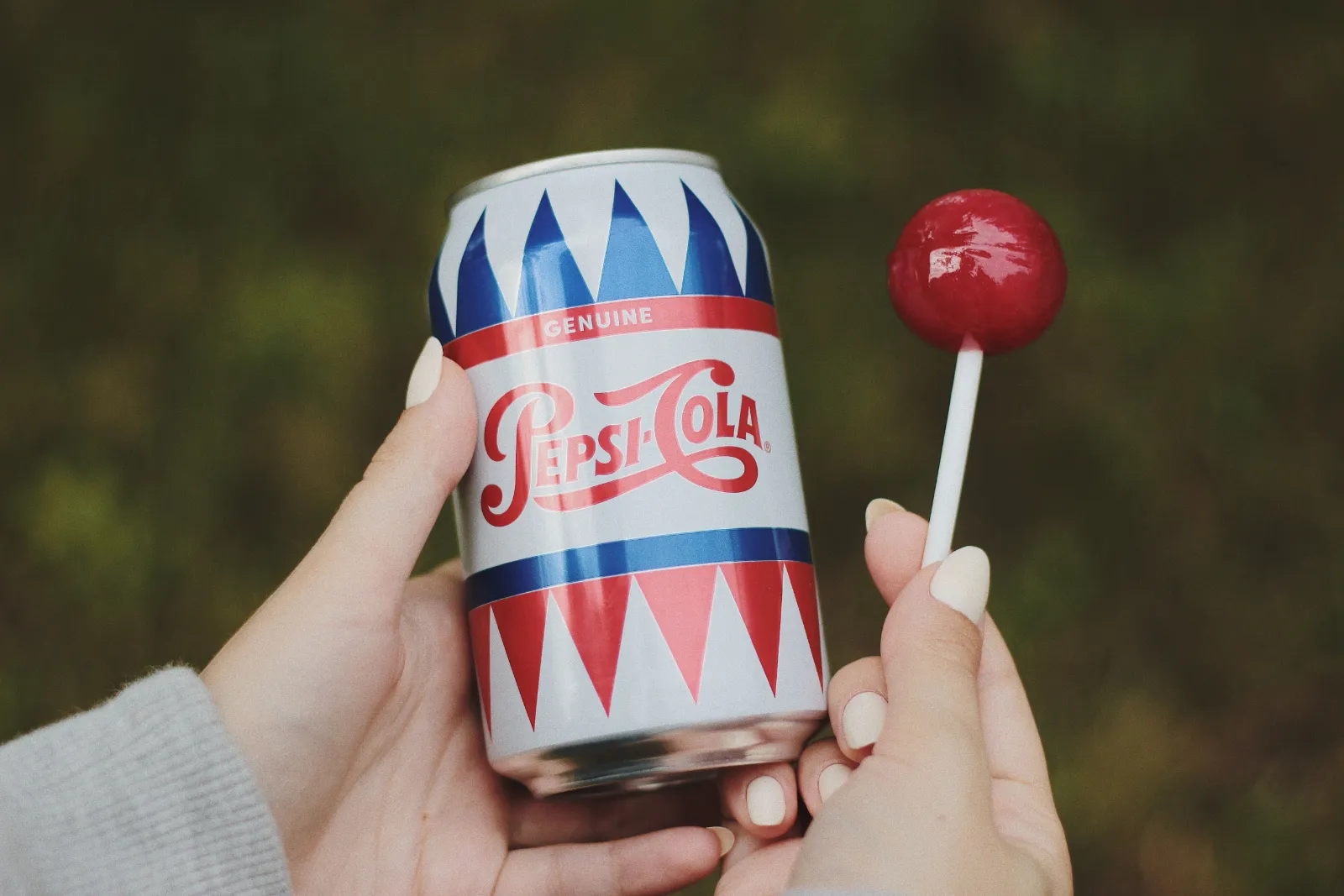
You may not have heard the word EPONYM, but you write DANONE on your shopping list when the yoghurt runs low in your fridge, or you’re the type to kindly offer a Kleenex, even if the tissues in your bag are called something else. So, my friend, you know more about this term than you think.
An EPONYM is a registered brand name that goes beyond its specific product to become a common noun used to describe the whole generic range of products it belongs to. Hoover, Sellotape and Thermos are some examples.
These are brands that, for various reasons, have ended up swallowing the product. The process is known as genericisation and, in some cases, can make companies lose their trademark. We could call it:
The failure of a brand’s success
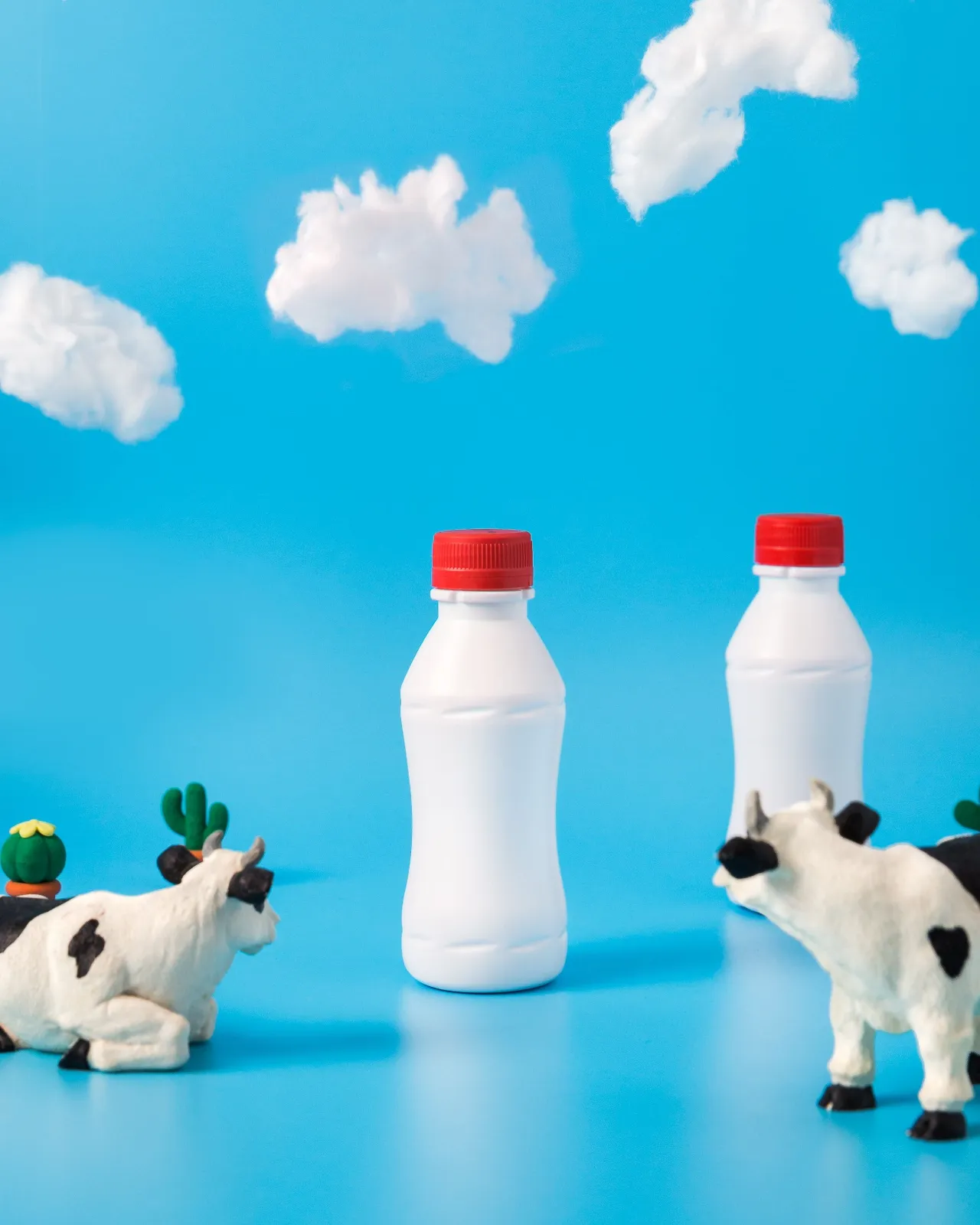
The generic use of a good number of brands has crossed borders, so a specific term ends up being used to refer to a product. In some cases, these generic brands, which were once registered trademarks, end up losing their legal protection, victims of their own popularity.
Many brands have sunk deep into the collective unconscious and, almost overnight, stopped being trademarks to become product names. When Chupa Chups came to mean ‘lollipop’ in Spain, the registered brand lost its identity.
Something similar happened to Danone, which had to work hard to give its products their own names. So, thanks to a major naming and branding campaign, new terms appeared, such as Danonino, Danet and Danacol, which stopped being generic and compete in the market with their own identity.
It’s important to reach consumers and get into their unconscious, so that even if the brand name stands for a generic product, customers will ask for that brand and no other. A brand must be able to take root in society without losing its distinctive value and identity compared with the competition.