The impact of artificial intelligence on society and employment.
Signs of recession in world economies, geopolitical tensions, the after-effects of restrictions, a sense of a fractured world that’s no longer one but several, moving at different speeds, extraordinary cultural development, a genuine technological revolution and a taste for exploiting it everywhere. Is this what cyberpunk was?
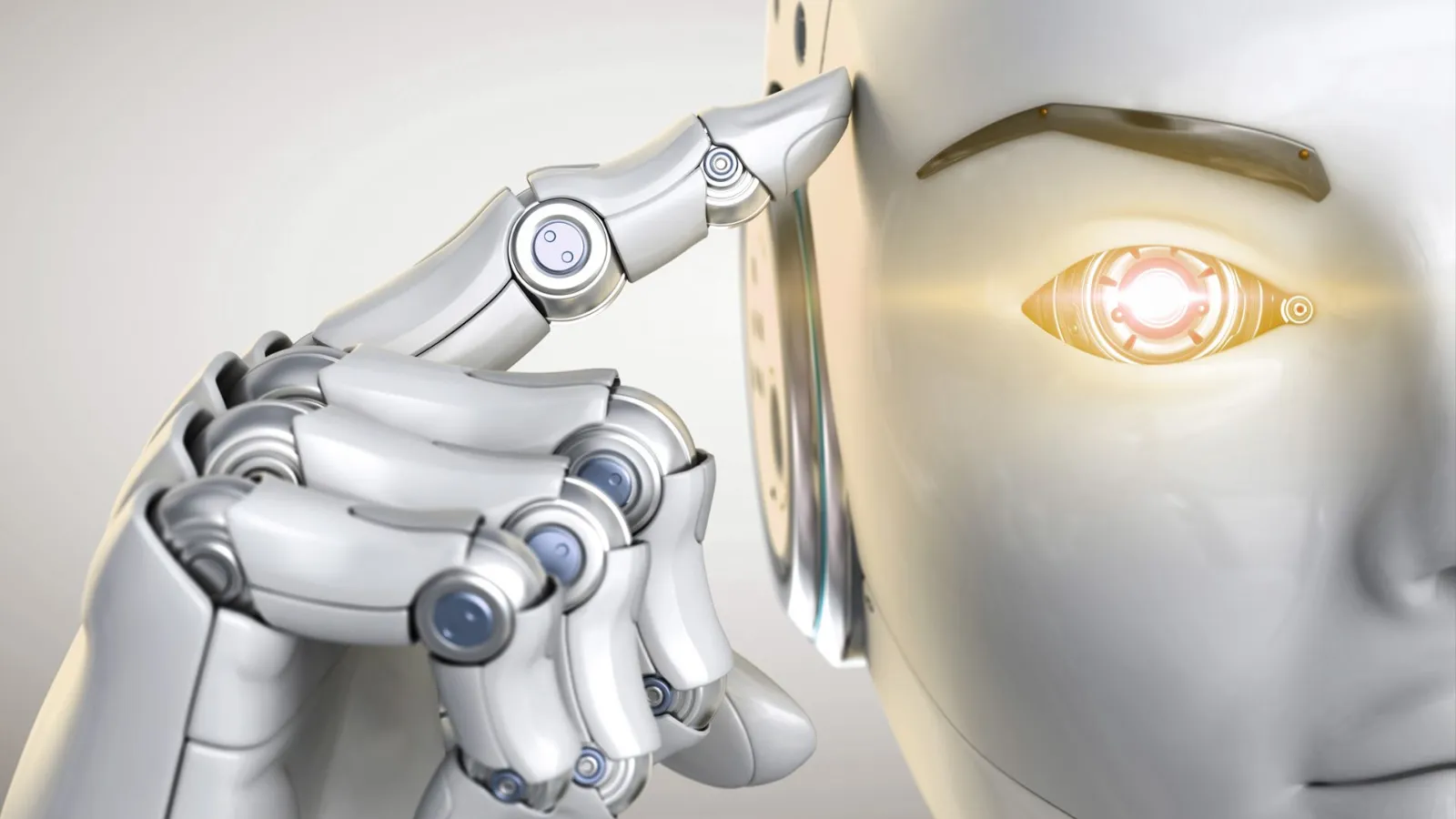
The reality is that computing and cybernetics are disrupting and taking over the social paradigm as we knew it. Suddenly, the technology and tools needed to develop and use artificial intelligence have become more accessible. Like a huge fireball that keeps growing as it consumes all the data within reach (billions of data points within reach!), AI text-generation tools will produce ever more powerful and efficient algorithms.
Now, serving the Faster Generation, the one that consumes everything at 1.5x speed, the market is forcing us to produce at high speed. This is where tools like artificial intelligence become essential. An application that, following our instructions, can write scripts, stories, articles, essays and sheet music, as well as provide customer service, correct mistakes or summarise legal documents. Is it a blessing or a threat?
The future of AI: trends and predictions.
CONTENT CREATORS, TAKE NOTE!
Jennifer Lepp, a writer who can finish her novels in just under six weeks, says she uses artificial intelligence to polish passages and find inspiration. What she won’t accept is anyone questioning her authorship. ABSOLUTELY NOT! She insists the story is hers, as are her characters and her fictional world. It all comes from her, she says. The issue certainly deserves a debate, at the very least.
2020, Silicon Valley: OpenAI’s new language model, GPT-3, leaves audiences open-mouthed as it effortlessly shows off its ability to produce a stream of coherent text at high speed. The all-powerful AI applies statistics and logic to data collected from books, magazines and websites; imitates the tone, voice and style of hundreds of writers from all over the world and every era; gathers information on any subject; follows machine-learning patterns and creates algorithms and systems to replicate intellectual processes and even improve them (doesn’t this remind you of Rachael, the most complex android in Blade Runner, able to live without knowing what living is, based on a human’s memories implanted by her creator?).
A super brain with more than 175 billion parameters, something like our neurons, that needs only a prompt to churn out streams of coherent text. It makes me think of Descartes and the idea that “the individual is a thing that thinks”. BOOM! The problem is that it isn’t intelligence: it pretends to be intelligent, but it isn’t aware of what it creates.
As copywriters, scriptwriters, columnists and writers, we can be more productive and faster at work thanks to AI. We choose to let a machine ‘think’ for us; we no longer waste time on research or correcting spelling mistakes, and we feel safe in front of the blank page.
So what about art? Where does genius fit in? AI works by observing statistical relationships between the words and phrases it reads, but it doesn’t understand their meaning, so it always needs supervision to avoid nonsense answers.
Are we perhaps looking at a potentially harmful tool that opens the door to fraud? My answer is that it’s still an application with many advantages, but it isn’t without its shortcomings. AI can’t create from scratch; it’s bound by the data it’s given and by human supervision. It can’t go from the specific to the general, or develop adult content; the texts it produces are limited in length and creative decisions still belong to the writer, who is ultimately in control.
That said, I’d argue its positive or negative value depends on the person using it.
I don’t know, maybe we’re already living in the time and place P.K. Dick imagined in 1968 in his science fiction novel ‘Do Androids Dream of Electric Sheep?’.